In the speech in which she committed to keep governing despite calls to stand down, the prime minister made reference to extending powers for the security services. Those powers –
which include regulation of the internet and forcing internet companies to let spies read everyone’s private communications – were a key part of the Conservative campaign, which failed to
score a majority in the House of Commons.
Let this pledge be duly noted on the permanent record of the Internet. I don’t know if there’s an afterlife, but I’ll be finding out soon enough, and I plan to go out mad as
hell…
Imagine I’m in a desert, and there are two wells where I can obtain water. If I want to go to the nearest well, which well do I visit? Clearly, it depends one where I am standing.
It’s possible to draw a line dividing the desert. To the ‘left’ of the line, it’s nearer to go to the well on the well on the ‘left’, to the ‘right’ of the line, it’s closer to go to
the well on the ‘right’…
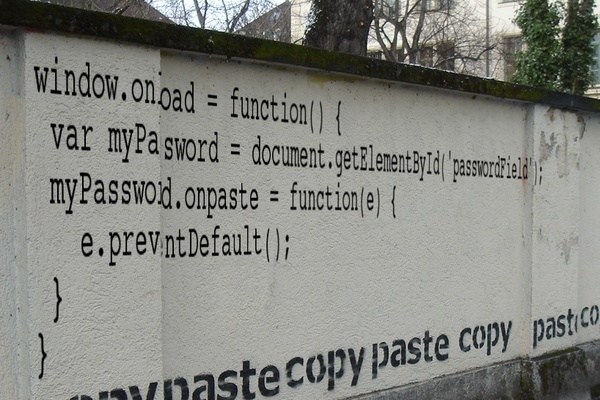
One of the things people often tweet to us @ncsc are examples of websites which prevent you pasting in a password. Why do websites do this? The debate has raged – with most
commentators raging how annoying it is.
So why do organisations do this? Often no reason is given, but when one is, that reason is ‘security’. The NCSC don’t think the reasons add up. We think that stopping password
pasting (or SPP) is a bad thing that reduces security. We think customers should be allowed to paste their passwords into forms, and that
it improves security…