
Tag: evolution
-
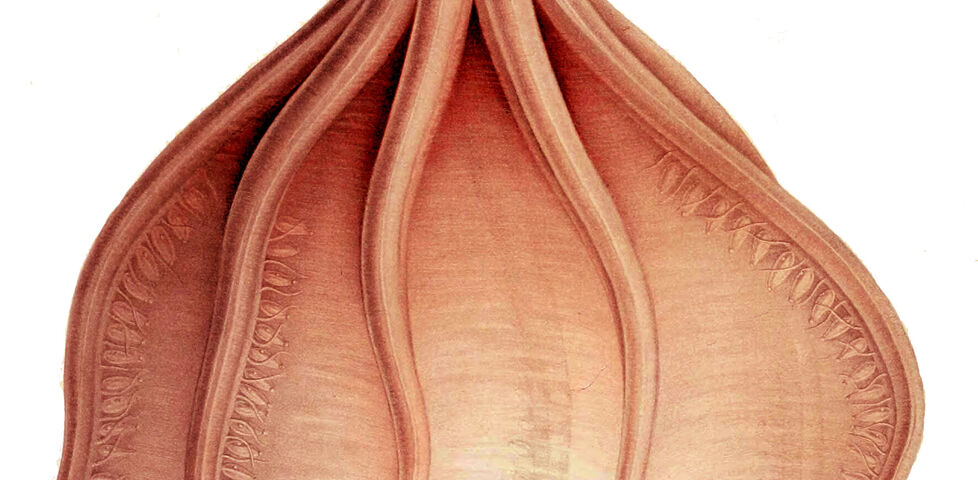
Wikipedia @ 25: Cirrothauma Murrayi
Today, Wikipedia introduced me to a mysterious deep-dwelling octopus. So cool!
-
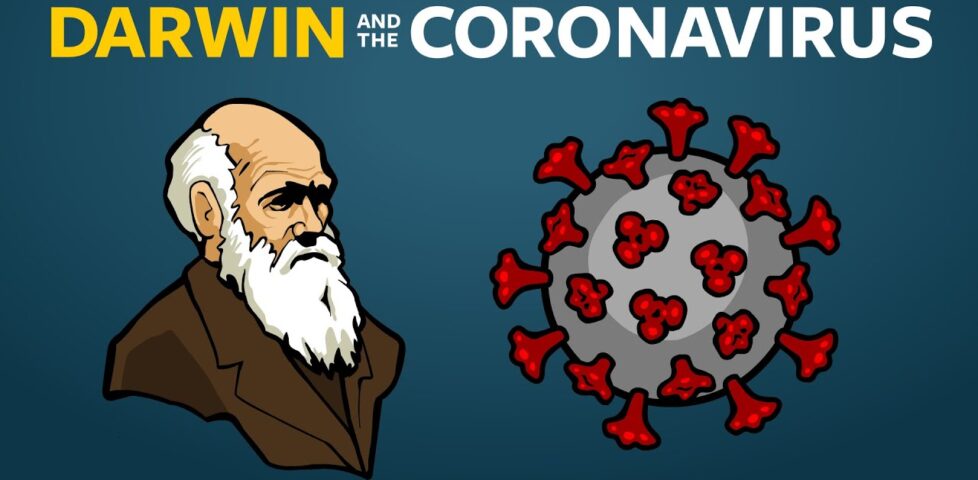
Where Do New Viruses Come From?
Watch a 10-minute primer on where "new viruses" come from; see if you know the basics.
-
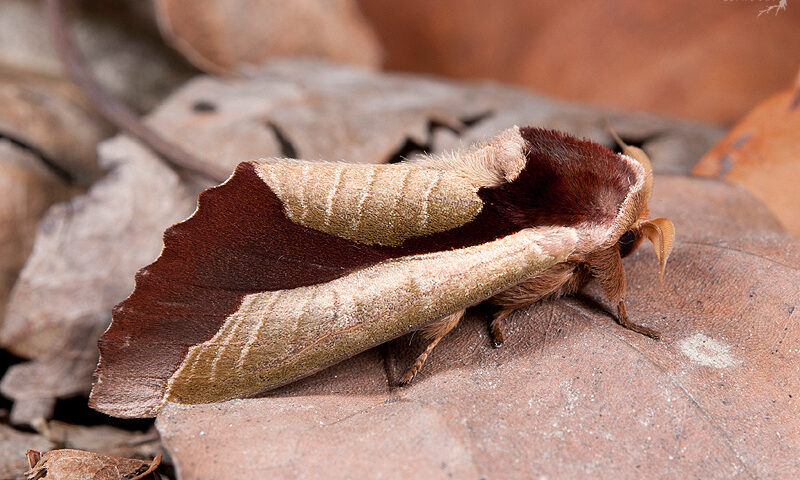
Best mimicry ever
From Real Monstrosities via Ed Yong via Matthew Cobb comes one of the best cases of mimicry I’ve ever seen. Natural selection has been a fantastic artist here, giving a perfect illusion of three-dimensionality. In fact, this may be the most astonishing case of mimicry I know.
It’s a moth from eastern Asia: Uropyia meticulodina—a fantastic … -
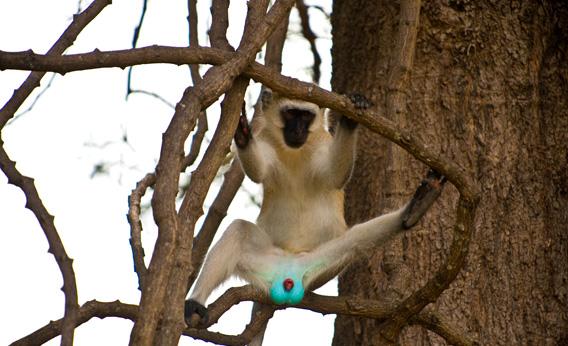
The Scrotum Is Nuts
Why are testicles kept in a vulnerable dangling sac? It’s not why you think.
...
Some of you may be thinking that there is a simple answer: temperature. This arrangement evolved to keep them cool. I thought so, too, and assumed that a quick glimpse at the scientific literature would reveal the biological reasons and I’d move … -

Jedward and the Aurochs
What a load of bull. Dan compares music by teen pop sensation Jedward with efforts to recreate extinct species of cattle, muses on the philosophy of identification, and pokes fun at Freddie Mercury. Moo!
-
Four Things That Evolution Isn't
I read this Chick Tract comic, recently. I'd seen them before, but for some reason it was this week, and this particular article, that riled me so much. I can honestly say I don't think I've ever before been quite so agitated by something as harmless as a comic.
In the comic, an arrogant and obnoxious … -
Games I Have Been Playing Recently
There's a couple of computer games I've played recently that I thought I'd share with you so that you, too, can go play them and waste all your free time (hopefully you've got more free time than I do to be wasted!).
RUCKINGENUR II
Free (as in beer) to download and play - download it here. Windows … -
The Evolution Of Socks
There's an evolutionary process occuring in my wardrobe.
I have an approximately equal number of dark-coloured and light-coloured socks, but since we moved to The Cottage in the summer of 2006, I've been keeping my socks not in drawers but in a compartment in my unlit wardrobe. As a result, I can only really see the …